

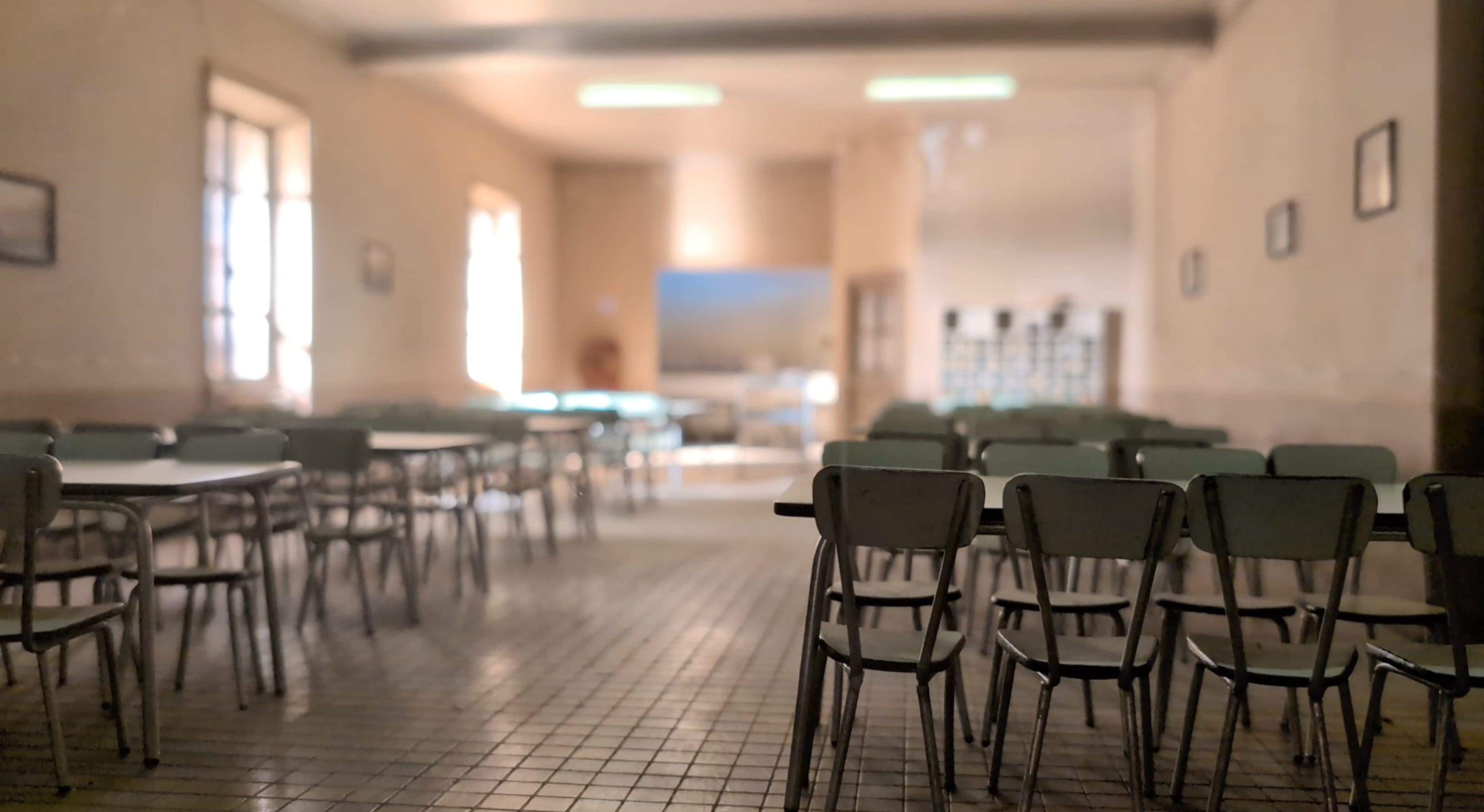
I have no idea what day it is. I had to check my phone to confirm it’s Saturday afternoon.
That feels like the defining feature of the week between Christmas and New Year’s. Time loosens. Calendars stop mattering. Work is technically open but socially closed. Everyone is offline in a way that doesn’t feel restful so much as disorienting.
Nothing is urgent, nothing is required, and my brain refuses to shut up anyway.
I keep thinking this would be a good time to do something meaningful, and then immediately running into the reality that there’s nothing I can actually act on. It’s too late to start anything real and too early to fully disengage. The people I’d normally collaborate with are gone, and the systems that usually create momentum aren’t running. So instead, my brain spins.
I rewrite lists that don’t need rewriting. I open notes apps and outline plans I can’t execute yet. I feel busy without actually doing anything. It looks like thinking, but it feels more like agitation.
Our brains are wired to avoid discomfort, and the liminal space is pretty much the purest definition of it. But there’s an important distinction worth naming. There’s discomfort that comes from real harm, instability, or unmet basic needs. And then there’s this kind of discomfort. The kind that shows up when you don’t know how to fill your time and can’t turn your brain off work. They’re not the same thing, and pretending they are does no one any favors. Still, this discomfort is real.
This is also the week where I do my best planning.
I start thinking about 2026. Side projects I could finally commit to. Ways to expand the newsletter. Ideas for sharing my writing more widely. What it would look like to accomplish more at work, to build momentum instead of just maintaining it. On paper, it all looks reasonable. Even exciting.
But there’s a problem I can’t plan around. I have three surgeries scheduled for the first half of 2026. Which means that while I’m sketching out ambitious versions of the year ahead, I’m also planning for a future I can’t actually predict.
It’s going to be a year where my capacity changes. Where recovery, not output, dictates the pace. Where the most responsible thing I can do for myself is slow down, let go, and learn how to be patient in ways I’m historically bad at.
That’s the tension this week surfaces for me.
Planning feels like control. Like progress. Like I’m doing something useful with the quiet. But some of that planning is really just me reaching for certainty in a year that’s going to require flexibility instead. It’s not that the ideas are bad. It’s that the timing is imaginary.
For high performers especially, productivity does more than move work forward. It regulates anxiety. It gives structure to days and proof of forward motion. When all of that disappears at once, the nervous system doesn’t quite know what to do with the quiet.
This week quietly removes urgency as a coping mechanism.
There’s plenty of time to think, but very little permission to act. Planning becomes a stand-in for motion, even though it doesn’t actually relieve anything. It just keeps the mind occupied enough to avoid sitting with the unease underneath.
Burnout recovery makes this sharper. The old patterns don’t work anymore, but the new ones aren’t fully built yet either. You can’t just fill the quiet with more output, but you also don’t yet trust whatever comes after. So you end up here, in the in-between, aware of the discomfort without a clean way to resolve it.
Nothing is wrong, and nothing is allowed to happen yet. That’s what makes this week hard. Not because it’s empty, but because it’s unstructured quiet without a release valve.
I’m trying not to fix that feeling this year. Not to optimize it away or turn it into insight too quickly. Just to notice it. The urge to plan endlessly. The low-grade anxiety without a clear source. The persistent sense that I should be doing something, even when nothing is required.
This doesn’t feel like a failure of rest anymore. It feels like a transition. And transitions are uncomfortable by definition.
If this week feels strange or unsettling, it doesn’t mean you’re ungrateful or broken. It means you’re sitting in a liminal space where the old rules don’t apply anymore and the new ones haven’t fully formed. That’s not an emergency. It’s just where you are.
Do you ever wonder if some of this anxiety is a result of the hussle culture that still has a strong grasp around here? My own two week "break" include items like trying to vibe code the 4th iteration of a side project of mine, rebuild my blog on a new framework, actually get my butt in gear again for running routine (and some very lofty two year goals), read 4 books, do the annual reflection things, oh and make sure to spend time with the wife and kids. Where did relaxing, recharging, and refreshing go?! When did I start feeling like a failure if I didn't do all that?! I don't have answers, but wonder if others get that same sense and how they're thinking about it.
resonating with this kelly!